PREMIUM CONTENT
As we step into the fresh canvas of 2024, it's an opportune moment to delve into a topic that holds immense potential for our well-being: nervous system regulation. In the intricate tapestry of health, understanding and nurturing our nervous system can be a game-changer, especially for those grappling with chronic illnesses or seeking preventive measures.
Unraveling Nervous System Dysregulation
Nervous system dysregulation lurks more commonly than we might realize, often interwoven with the threads of trauma, stress, or chronic illness. Whether triggered by past traumas or the stress of ongoing health challenges, this dysregulation can act as a silent disruptor, hindering the healing process. Recognizing its presence becomes pivotal, as it can be the missing piece preventing full recovery. Find out if you are stuck in a Fight, Flight or Freeze state here.
The manifestations of nervous system dysregulation are diverse and elusive, ranging from hypersensitivity to inexplicable symptoms that defy conventional medical explanation. It often persists beneath the surface, unnoticed by standard blood work or diagnostic tests. Understanding this complexity is the first step towards a comprehensive approach to healing.
Personal Journey
In my own journey, hypersensitivity became a prominent signal of nervous system dysregulation. Reacting to foods, supplements, and even environmental stimuli like temperature fluctuations, I found myself caught in a web of unexplained symptoms. Dizziness, a feeling of detachment from my own body, and inexplicable numbness became unwelcome companions on my health odyssey.
These symptoms persisted, resilient to conventional and functional medicine interventions. It was a perplexing journey, but it led me to a crucial realization – the importance of addressing nervous system dysregulation directly.
8 Essential Practices for Nervous System Regulation
-
Circadian Rhythm Regulation:
- Sync with the sun, catch sunrise and sunset.
- Block blue light after sunset to maintain circadian balance. Learn more here.
-
Panoramic Vision Exercises:
- Cultivate panoramic vision, expand your field of view.
- Practice viewing your environment in detail, fostering relaxation.
-
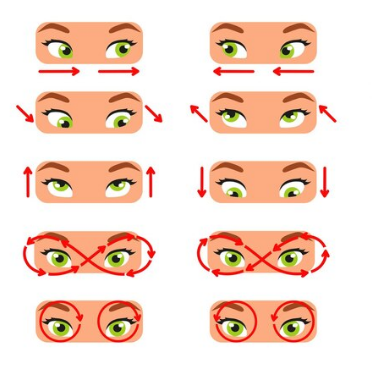
Eye Training:
- Dedicate 1 minute, 3 times a day to simple eye movements. Move your eyes slowly!
-
Body-First Approach:
- Foster awareness of your body's signals and needs.
- Utilize full-body tapping, massaging, and sensory acknowledgment in the shower. Getting weekly massages can be very helpful too but it can get pretty expensive.
- I recommend this YouTube channel: Michael Hetherington
-
Multi-Layered Awareness:
- Extend panoramic vision exercises to longer durations, ideally 10 minutes.
- Develop awareness of surroundings, body sensations, and breathing simultaneously.
-
Becoming Comfortable with Discomfort:
- Observe discomfort without immediately trying to change it.
- Embrace discomfort as an opportunity for understanding and healing.
-
Somatic Yoga Flow - Untangle:
- Explore somatic yoga, specifically designed to address nervous system imbalances.
- Focus on untangling physical and emotional tension through intentional movement.
- This is the flow I have used: Somatic Yoga Untangle
Embarking on the journey of nervous system regulation requires patience, consistency, and a holistic approach. By integrating these practices into your daily life, you empower yourself to navigate the complexities of nervous system dysregulation. Remember, healing is a dynamic process, and each step towards regulation brings you closer to a state of balance and well-being.